• Tanoto Foundation Inaugurates 176 TELADAN Scholarship Recipients for 2026, Strengthening Soft Skills Development in Higher Education

    Tanoto Foundation Inaugurates 176 TELADAN Scholarship Recipients for 2026, Strengthening Soft Skills Development in Higher Education

    Amid increasingly complex labour market competition and rapid change, university graduates are expected not only to excel academically but also to possess strong non-technical or soft skills. Research conducted by Harvard Business School and Kellogg School of Management, analysing more than 1,000 occupations and 70 million career transitions, confirms that individuals with strong soft skills are better able to adapt, earn higher incomes, and remain resilient in fast-changing environments.

    In response to this challenge, Tanoto Foundation, an independent philanthropic organisation in education founded by Sukanto Tanoto and Tinah Bingei Tanoto in 1981, through the TELADAN Programme, supports the government’s efforts to strengthen non-technical skills and leadership development among Indonesia’s young generation.

    The TELADAN Leadership Scholarship Programme (Transformasi Edukasi untuk Melahirkan Pemimpin Masa Depan) provides not only financial assistance but also structured soft skills and leadership development training.

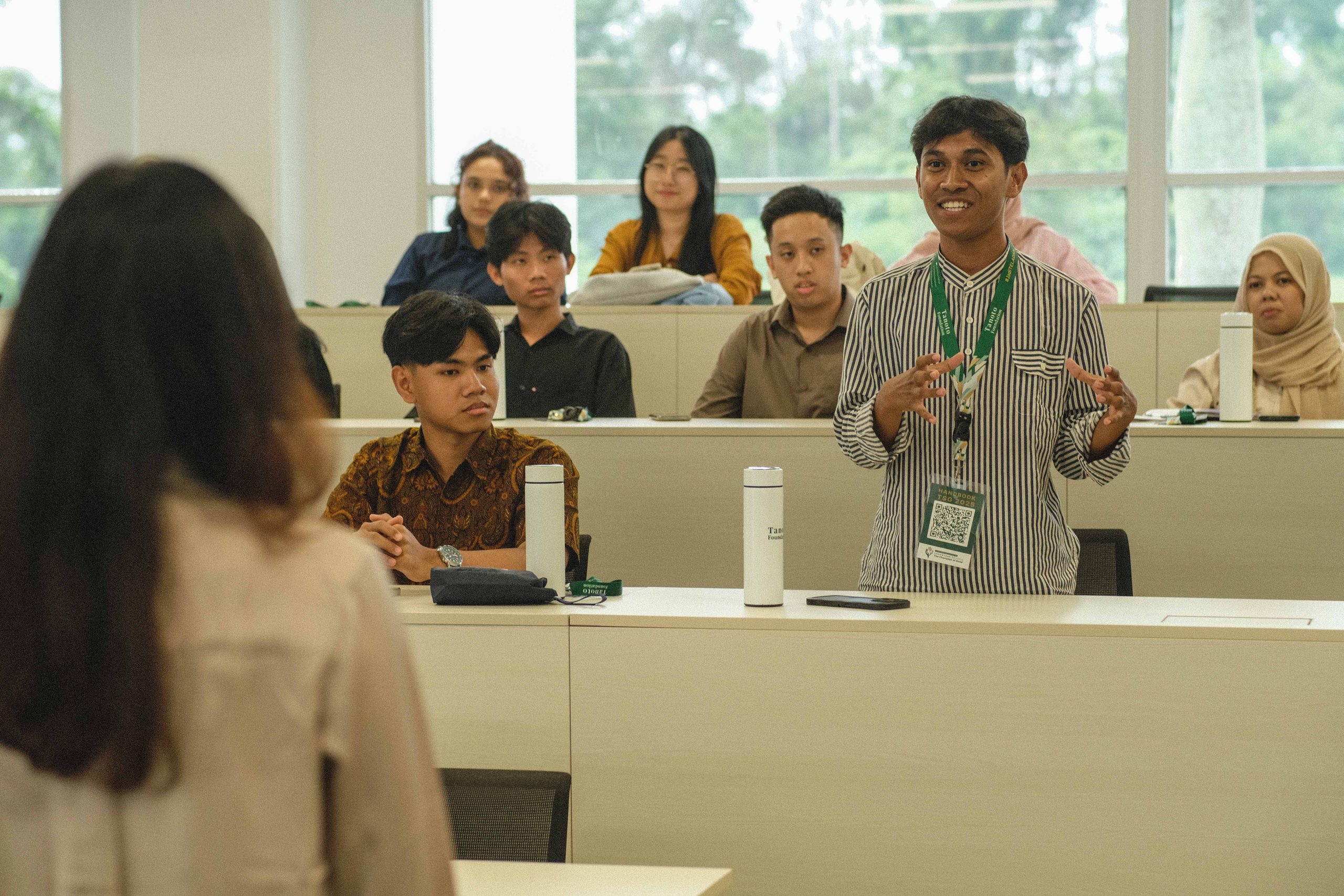
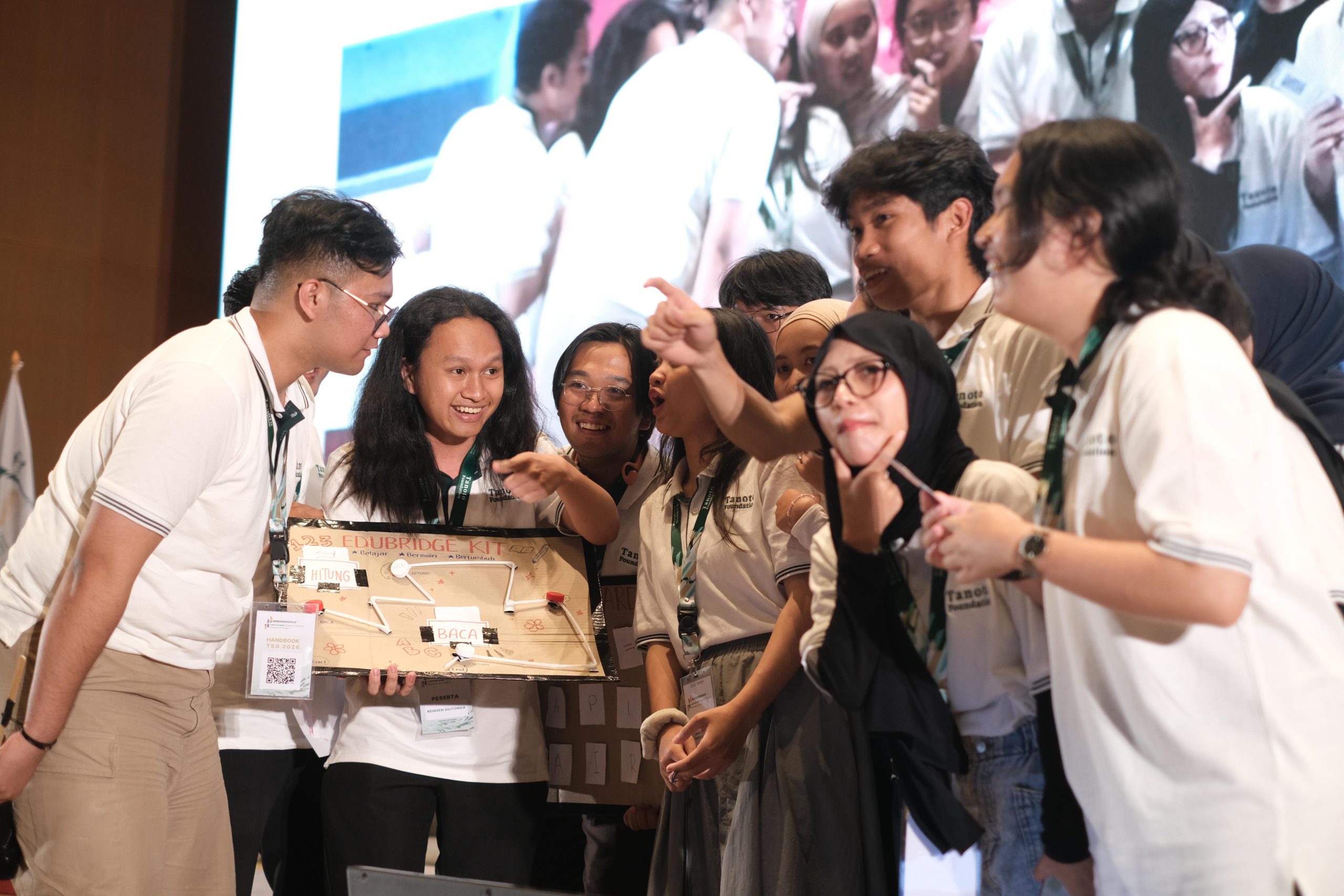
    On Wednesday, 14 January 2026, Tanoto Foundation officially inaugurated 176 new Tanoto Scholars (the designation for TELADAN scholarship recipients) from the 2026 cohort. These scholars come from ten Tanoto Foundation partner universities: Universitas Indonesia, Institut Teknologi Bandung, Universitas Gadjah Mada, Universitas Brawijaya, Universitas Diponegoro, IPB University, Universitas Riau, Universitas Sumatra Utara, Universitas Hasanuddin, and Universitas Mulawarman.

    The new Tanoto Scholars were selected from 9,283 applicants across the ten partner universities nationwide through a multi-stage selection process conducted between July and November 2025.

    Over seven semesters, Tanoto Scholars are developed as future leaders of Indonesia with nine core characteristics: self-awareness, driven mindset, innovation, continuous learning, care for others, empowering others, grit, integrity, and an entrepreneurial spirit.

    Jakarta’s Deputy Governor, Rano Karno, who delivered an inspirational talk at the inauguration ceremony, expressed his support for Tanoto Foundation’s efforts to create equal opportunities for society through education.

    “This scholarship is a trust from someone who believes that education can change lives, and even alter the course of a nation. One day, when you stand at a pivotal moment in your life, in a meeting room, a classroom, in villages, in cities, or even on this very stage, remember this day, that you once received an opportunity greater than others. Therefore, be a role model through your values and the positive impact you bring to your surroundings,” said Deputy Governor Rano Karno.

    “Good fortune is not inherited, it must be earned. Remember one important thing: this scholarship is not meant to be enjoyed alone, nor to live comfortably by oneself, but to open pathways for others. This is the true meaning of the TELADAN Programme, to be a light and create impact for many,” he added.

    Tanoto Foundation Chief Executive Officer, Benny Lee, emphasised that the TELADAN Programme is part of Tanoto Foundation’s long-term commitment to preparing Indonesia’s future leaders who are not only academically capable but also strong in character.

    “We believe that Indonesia’s future leaders must possess integrity, empathy, and the ability to create tangible impact for society,” said Benny.

    He also encouraged Tanoto Scholars to make the most of this opportunity by contributing meaningfully to their communities through the spirit of pay it forward, by extending the benefits they receive to the wider society and communities.

    “Out of thousands of applicants, you have been selected as Tanoto Scholars. However, this achievement should not lead to complacency. Instead, use this opportunity as a platform to continue learning and growing with humility, while creating impact for the wider community,” Benny added.

    The TELADAN Programme is designed across three development phases over three and a half years: lead self (semesters two to four), lead others (semesters five to six), and professional preparation (semesters seven to eight). Through these stages, Tanoto Scholars gain a range of development opportunities, including community service, national networking with fellow Tanoto Scholars, internship experiences, global-level personal development, and career preparation.

    Upon graduation, Tanoto Scholars become part of a cross-country alumni network, a leadership community committed to continuous learning, collaboration, and positive impact.

    According to the TELADAN Programme Evaluation Report: Enhancing Leadership Capacity and Graduate Competitiveness in Indonesia, published in 2025, TELADAN alumni have a 27 per cent higher likelihood of securing employment and a 36 per cent greater probability of achieving higher income levels compared to students who did not participate in the programme.

    The evaluation also found that the TELADAN Programme doubles alumni’s opportunities for upward social mobility. Some alumni have matched or even exceeded their parents’ income levels within just one year of work experience.

    Employers also assessed TELADAN alumni as demonstrating strong adaptability, leadership capabilities, and communication skills.

  • Tanoto Foundation Drives Cross-Sector Synergy to Strengthen the Early Childhood Education and Development Ecosystem through the 2025 International Symposium on Early Childhood Education and Development (ECED)

    Tanoto Foundation Drives Cross-Sector Synergy to Strengthen the Early Childhood Education and Development Ecosystem through the 2025 International Symposium on Early Childhood Education and Development (ECED)

    Jakarta, 17 December 2025 – Early childhood is not merely a phase of growth, but the foundation that determines the quality of human capital and a nation’s future competitiveness. Yet to this day, the fulfilment of young children’s rights and wellbeing continues to face major challenges, both globally and nationally.

    UNESCO (2022) reports that only around two thirds of children aged 36 to 59 months worldwide are developing in line with their developmental stages, while UNICEF notes that more than half of children have experienced severe violence.

    In Indonesia, national stunting prevalence remains at 19.8 percent (National Team for the Acceleration of Stunting Reduction, 2024). Meanwhile, Statistics Indonesia (2025) shows that the Gross Enrolment Rate for early childhood education stands at only 36 percent, alongside persistent challenges related to the quality and capacity of early childhood educators.

    These data highlight the wide gaps that remain, ranging from access to services and quality of caregiving to weak cross-sector coordination in early childhood development. Strong advocacy is therefore required to drive policy and practice reforms so that early childhood development becomes more holistic, evidence based, and cross sectoral.

    Without close synergy between health, education, caregiving, and social protection, Indonesia risks losing momentum in human capital development and its demographic dividend on the path towards Indonesia Emas 2045.

    Recognising this urgency, Tanoto Foundation, an independent philanthropic organisation focusing on education and health, convened the 2025 International Symposium on Early Childhood Education and Development (ECED) under the theme “ECED Ecosystem Synergy in Promoting the Best Start in Life” in Jakarta on Wednesday, 17 December 2025.

    To ensure that every child receives the best possible start in life, solutions must be cross sectoral, evidence based, and sustainable. Collaboration among central and local governments, international organisations, research institutions, civil society, and the philanthropic sector is key to strengthening early childhood development.

    Accordingly, Tanoto Foundation partnered with ministries and cross sector organisations, including the Ministry of National Development Planning/Bappenas, the Coordinating Ministry for Human Development and Culture, the Ministry of Health, the Ministry of Women’s Empowerment and Child Protection, the Ministry of Higher Education, Science, and Technology, the Ministry of Primary and Secondary Education, and the Ministry of Population and Family Development, as well as UNICEF, SEAMEO CECCEP, ARNEC, ECED Council Indonesia, and others.

    The symposium discussions were structured around two main sub-themes. The morning segment, “Synergising Health and Education for ECED”, emphasised the importance of integrating health, nutrition, and education services as the foundation of children’s development from an early age. This session highlighted innovations in growth and development monitoring, nutrition interventions, and the strengthening of early stimulation within primary service systems.

    The afternoon segment focused on “Parenting and Early Learning”, positioning families, particularly parents and caregivers, as key actors within the early childhood ecosystem. Discussions explored the role of responsive caregiving, interaction based early learning, and policy and programme support to strengthen parents’ capacity to support children’s optimal growth and learning.

    Minister of Health Budi Gunadi Sadikin, who officially opened the symposium, underscored that fulfilling young children’s right to life and health is the cornerstone of human development.

    “The age of 0 to 5 years is a highly decisive phase in determining whether a person will grow into a healthy, intelligent adult who can contribute to the nation, including to increased per capita income,” said the Minister of Health.

    He added that priority must be placed on ensuring children can live and grow in good health. “We must act very quickly. If we do not, we risk missing Indonesia’s demographic dividend, and this is our responsibility to our children,” he stressed.

    The Government of Indonesia has reaffirmed its commitment to early childhood development through the Long-Term National Development Plan 2025 to 2045 and the Medium-Term National Development Plan 2025 to 2029, with Holistic and Integrated Early Childhood Development (PAUD-HI) designated as a key performance indicator. The second phase of the National Action Plan for Holistic and Integrated ECED 2025 to 2029 will also be launched soon as a framework for multisector collaboration.

    Opening the afternoon session, Minister of Women’s Empowerment and Child Protection Arifatul Choiri Fauzi highlighted the symposium’s role in strengthening policy direction. “This forum brings together strategic cross sector perspectives. We encourage the resulting recommendations to be used to strengthen policies, regulations, and service innovations for early childhood development,” she explained.

    Prof. Stella Christie, Benny Lee, and Inge Kusuma during the 2025 International Symposium on Early Childhood Education and Development in Jakarta.

    Continuing the session, Deputy Minister of Higher Education, Science, and Technology Prof. Stella Christie emphasised the importance of science based parenting and high quality interactions between children and parents or caregivers.

    “As a researcher, I have found that caregiving with optimal interaction between children and caregivers has the greatest potential to maximise child development. No technology, including artificial intelligence, can replace the power of human interaction,” said Prof. Stella.

    She explained that children learn through curiosity and imitation. “Children develop by asking questions and by observing and copying. Therefore, it is important to give them the widest possible opportunities to learn through questions, to respond in ways that stimulate thinking, and to provide good examples in everyday life,” she added.

    Prof. Stella stressed that parenting grounded in scientific evidence and meaningful relationships forms the foundation of brain development and lifelong learning.

    At the same occasion, CEO of Tanoto Foundation Benny Lee reaffirmed that early life is the most decisive phase in a person’s life journey, shaping brain development, health, and character.

    “The early years are a critical starting point. This is when the foundations of human capacity are formed, with impacts that last a lifetime. That is why we need a truly supportive ecosystem, not driven by a single institution, but through collaboration among all stakeholders,” said Benny.

    He added that Tanoto Foundation’s current focus is on strengthening a comprehensive ecosystem for young children and families.

    “For Tanoto Foundation, early childhood development is a primary investment. We believe that when government, civil society, academia, and the philanthropic sector work together, the impact will be far greater and more sustainable,” Benny concluded.

    This year’s symposium was attended by around 200 participants, with speakers from a wide range of institutions and organisations.

    Government speakers included:

    • Deputy for Coordination of Family Quality Improvement and Population, Coordinating Ministry for Human Development and Culture, Woro Srihastuti Sulistyaningrum
    • Deputy for Family Welfare and Family Empowerment, National Population and Family Planning Board (BKKBN), Nopian Andusti
    • Assistant Deputy for Early Childhood and Basic Education, Coordinating Ministry for Human Development and Culture, Jazziray Hartoyo
    • Director of Family Health Services, Ministry of Health, Lovely Daisy
    • Director of Primary and Secondary Education, Ministry of National Development Planning/Bappenas, Suprapto Budinugroho
    • Senior Education Quality Assurance Expert, Ministry of Primary and Secondary Education, Harris Iskandar
    • Chair of the Family Welfare and Empowerment Movement (TP PKK), East Java Province, Arumi Bachsin

    Speakers from development organisations, academia, research institutions, and philanthropy included:

    • President and CEO, Childhood Education International, Diane Whitehead
    • Chief of Nutrition, UNICEF, Mamadou Ndiaye
    • Executive Director, ARNEC, Evelyn Santiago
    • Octapharma Chaired Professor of Decision Neuroscience, INSEAD, Prof. Dr. Hilke Plassmann
    • Director, SEAMEO CECCEP, Prof. Vina Adriany
    • Deputy Director of Programmes, SEAMEO CECCEP, Widodo Suhartoyo
    • Coordinator, National Coalition for Holistic and Integrated ECED, Irma Yuliantina
    • Chair, ECED Council Indonesia, Prof. Fasli Jalal
    • Director, Indonesian Fortification Coalition, Nina Sardjunani
    • Member of ECED Council Indonesia and BAN PAUD, Dr. Gutama

    “This symposium is a commitment to ensure that every parent receives the support they need, every child receives the stimulation, nutrition, protection, and learning they deserve, and every sector, public, private, and development partners alike, moves forward together. Most importantly, it is about giving every child the strongest and happiest possible start in life,” Benny Lee concluded.

  • The Role of Fathers in the First 1,000 Days of Life: A Conversation on Bincang Inspiratif with Bapak2ID 

    The Role of Fathers in the First 1,000 Days of Life: A Conversation on Bincang Inspiratif with Bapak2ID 

    Tanoto Foundation hosted a special podcast, Bincang Inspiratif Live on Stage, focusing on the vital role fathers play during the first 1,000 days of a child’s life. 

    The discussion brought together public figures, the Bapak2ID community, and participants who shared real experiences and practical challenges. Throughout the session, one message stood out clearly: caregiving is not solely a mother’s responsibility.

    Actor Agus Kuncoro contributed his perspective, highlighting the importance of supporting the mother’s emotional wellbeing during pregnancy. He also stressed the need for fathers to maintain emotional stability, noting that babies can respond to sound and the surrounding atmosphere even from the womb. 

    The co-founders of Bapak2ID—Pak Munawir, Tuan Yayat, and Pak Nuang 2.000—added reflections on common issues faced by new fathers. One recurring challenge is the lack of clarity in dividing household and caregiving responsibilities, especially for fathers who grew up believing their primary role was simply to provide financially. 

    They emphasized that fatherhood is an ongoing learning process. Through their community, fathers have a space to exchange experiences, gain insights, and develop healthier, more effective parenting practices. 

    Watch this episode of Bincang Inspiratif to gain practical insights and help fathers feel more prepared and confident even before their child is born. Access the full episode through the link below.